
Getting free clothes from your favorite children’s fashion labels sounds fun. Getting paid to create content for those brands sounds even better.
Before you start sending DMs asking companies to sponsor your child, there is a reality check you need to hear: brands are not looking for kids who just need clothes. They are looking for creators who can help them tell a story, show off their new releases, and connect them with paying customers.
If you are a parent trying to figure out how to get kids clothing brand deals, you have to approach this as a content partnership rather than a product giveaway.
Before you ask. No, you do not need to turn your living room into a high-end photography studio or spend thousands building an editorial wardrobe. You just need a plan, a good eye, and a firm grasp on what you are actually offering a potential partner.
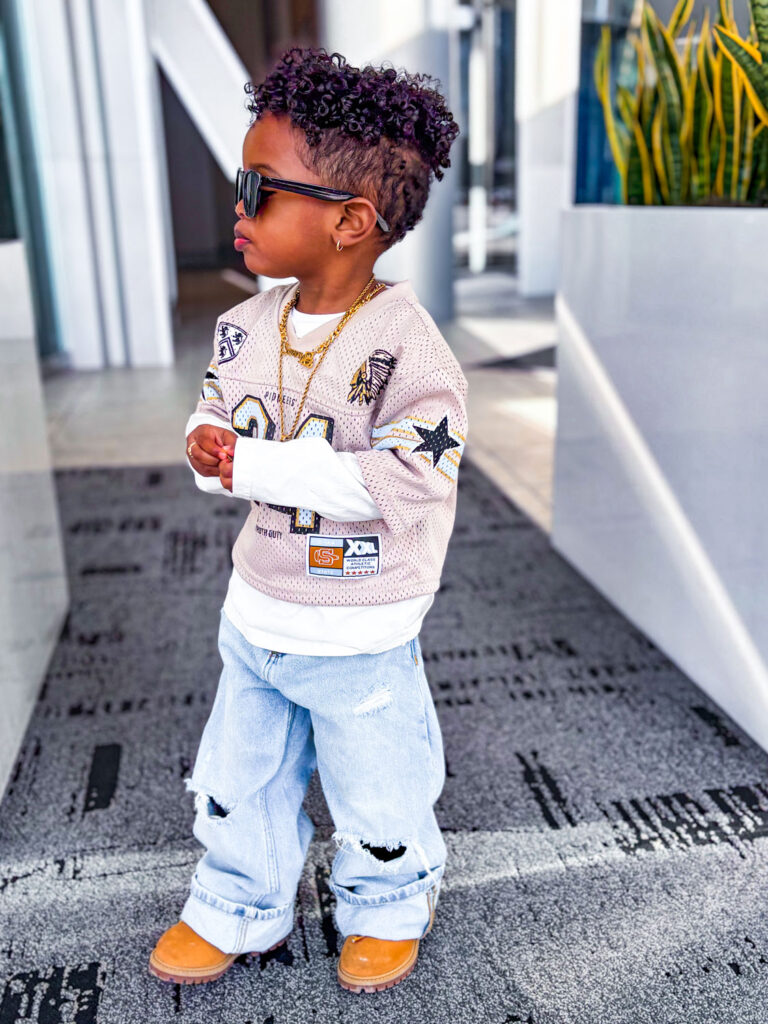
We have spent time talking directly with creators who produce user-generated content (UGC) to see how they build relationships and make real money. Recently, Ashley, the creative force behind young fashion creator Lathan Lane, shared how her family built their workflow. Alongside her husband, Luther, who handles photography, Ashley has locked in steady partnerships by pairing sharp styling with dependable delivery.
Here are seven practical lessons parents can use to start building their own brand opportunities.
1. Start With Clothing Brands You Already Buy
Before asking a clothing company to send your child free merchandise, ask yourself one question: would you buy these clothes if there were no collaboration on the table?
If the answer is no, why pitch them?
Audiences spot forced promotions immediately, and marketing managers can tell when an account does not genuinely wear their aesthetic. Ashley explained to FITGRADES that she started by purchasing pieces from companies she already liked. She styled the outfits, posted the content, tagged the labels, and built natural familiarity before ever sending a formal pitch.
That legwork demonstrates genuine brand affinity, which gives your pitch real credibility.
How to start right now:
- Pick three to five brands that naturally match your child’s everyday wardrobe.
- Study the exact photos, reels, and video styles those companies repost on their official feeds.
- Style complete looks using pieces already sitting in your child’s closet.
- Tag the brands clearly when their clothes show up in your organic posts.
- Track which posts get comments, saves, and shares.
You do not need to buy a whole new wardrobe just to get noticed. Work with what you have in the closet and make it look intentional.
2. Create the Content Before You Pitch the Partnership
One common misstep is waiting for a brand to send a package before producing high-effort photos and videos.
You do not need a contract to build proof of concept.
Grab a pair of jeans your child already owns. Style them three distinct ways: casual weekend, school day, and dressed up for an event. Photograph the outfits in clean morning light. Cut together a quick 15-second video showing how the pieces layer together.
I know some people don’t want to give away their creativity. But with one high quality organic post, you have demonstrated styling capability, camera confidence, and creative direction.
Ashley and Luther split their roles based on their individual strengths: Ashley directs the creative styling, while Luther runs the camera. That clean division of labor gives them a polished deliverable. Family working together for the greater good.
You do not need their exact dual-creator setup. A modern smartphone, clean natural lighting, a clutter-free background, and a steady hand are plenty to get started.
Your goal is simple: produce content that looks good enough to run directly on the brand’s own marketing channels.
3. Build a Portfolio That Shows Deliverables, Not Just Follower Counts
Massive follower counts matter to brands that are strictly buying access to an existing audience. But audience reach is only one way to work with apparel companies.
Plenty of children’s brands do not care about your personal follower count. Instead, they need high-res product photos, organic styling clips, and UGC assets they can run inside their own paid ad funnels or post to their product pages.
Build a clean, one-page digital portfolio or media kit featuring:
- Five to ten of your sharpest, best-lit photos.
- Two or three short-form videos showing movement and fit.
- Visual examples of varied styling approaches.
- A two-sentence summary of your creative style and household workflow.
- Clear parent contact info and relevant social handles.
- Verified audience demographics and engagement rates, if you are pitching sponsored feed posts.
Keep your portfolio centered on the output. That’s how to get kids clothing brand deals.
Remember that you are the business manager here. If you have a teenager know they should never manage inbound messages, talk to brand representatives, or negotiate terms. That is strictly the parent’s job.
4. Pitch Brands by Leading With Value, Not Requests
A DM that says “Can you send my child free clothes?” goes straight to the archive folder. Marketing managers get dozens of those messages every single day.
A winning pitch explains what the company gets out of the arrangement.
When Ashley approaches companies, she focuses on the specific creative quality her family can hand over. She also establishes an upfront turnaround time. Ashley shared that she generally offers brands a one-week delivery window once products arrive.
You do not necessarily have to deliver in seven days, but you must be reliable. Missing deadlines is the fastest way to get blacklisted by an agency.
Sample Pitch Email for a Kids’ Clothing Brand Deals
Subject: Kids’ Fashion Content Collaboration — [Child’s Name / Your Account Name]
Hi [Brand Name] Team,
My name is [Your Name], and I handle creative styling and content production for my child, [Child’s Name]. I manage all our brand partnerships and communications.
We have been longtime fans of your pieces, especially your recent [mention specific collection or signature item].
I would love to produce a dedicated set of content featuring your upcoming seasonal line. We can provide:
- 3 to 5 styled, high-resolution product photos ready for your site or social feeds
- 1 short-form styling video (vertical format) highlighting garment durability and fit
- Full content usage rights for your digital marketing channels
You can review our recent styling work and production quality here: [Link to Portfolio]
If you are currently sourcing creator content for your upcoming campaigns, I would love to send over our rate card and discuss your asset needs.
Best regards,
[Your Name]
[Parent / Creative Director]
[Phone Number / Portfolio Link / Social Handles]
Keep your outreach direct, professional, and grounded. Never guarantee vanity metrics like sales conversions or viral views that you cannot control.
5. Know the Difference Between Gifted Products and Paid Deals
Free merchandise is not the same thing as a paycheck.
Brands frequently run gifted campaigns where they trade a few outfits for promised social posts. Paid campaigns, on the other hand, compensate you with actual currency for your time, styling labor, asset production, and commercial licensing rights.
Both models have their place, but you must know what you are signing before you agree to send files.
A gifted collaboration might mean receiving an outfit in exchange for an honest Instagram Story or post. A paid contract often demands specific garment angles, raw video files, strict delivery deadlines, and rights for the company to run your child’s image inside paid Meta or TikTok ads.
6. Protect Your Child’s Privacy and Let Them Just Be Kids
This is the non-negotiable foundation of creating content with your family.
No brand deal, sponsorship check, or viral video is worth compromising your child’s safety, digital footprint, or mental health.
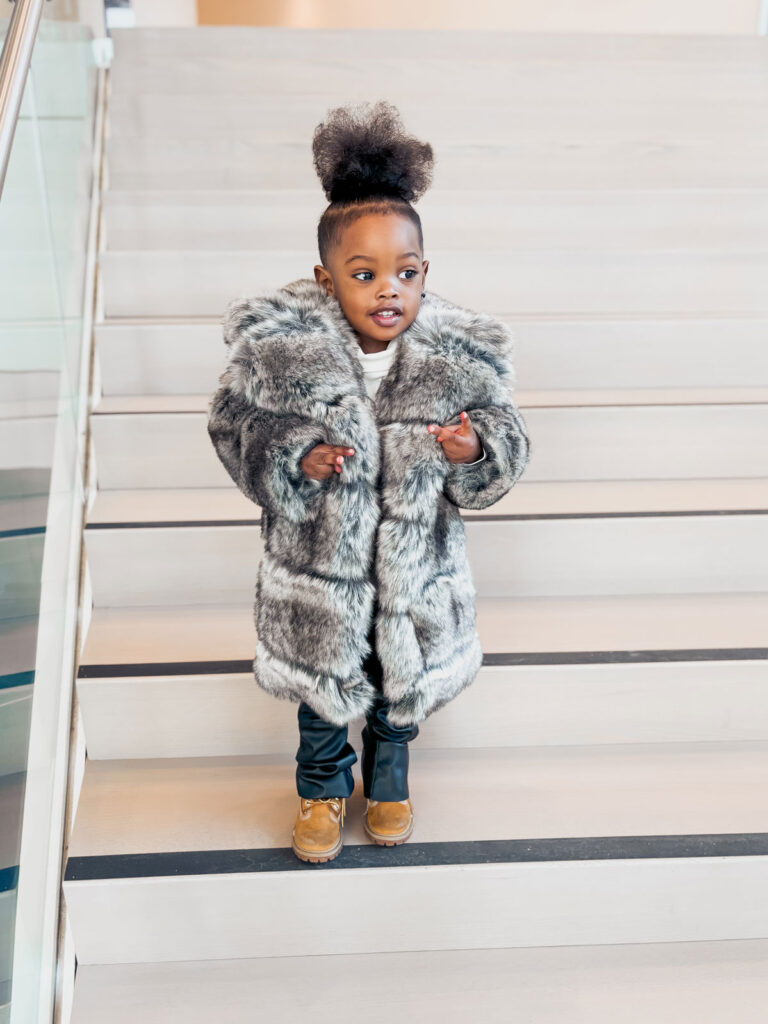
Ashley explained that her family maintains rigid boundaries around what makes it onto the internet. Her audience might see Lathan’s eye for fashion and bright personality, but they never see identifying details like his school, their daily neighborhood routes, or private family milestones.
Critically, their kids maintain full veto power. If Lathan is not in the mood to film, the camera stays off. This is a good principle to have in general. You can tell when a child is being made to model something for their parents.
There is a huge difference between giving a child an outlet for creative expression and turning them into an employee responsible for keeping an audience engaged.
Boundaries every parent should set:
- Keep addresses, school logos, town sports leagues, and real-time locations off camera.
- Run every DM, email, and negotiation through adult accounts. Kids should never have public messaging access.
- Do not share meltdowns, discipline, or vulnerable personal moments for the sake of relatability.
- Let your child opt out at any point without guilt or pressure.
- Think five to ten years ahead: could this specific image embarrass them in middle school or high school?
Keep yourself updated on evolving child influencer legal protections, including state laws governing trust accounts (such as Coogan accounts) and financial compensation safeguards for minor content creators.
7. Build Repeat Brand Relationships
Another tip to learn how to get kids clothing brand deals is to build relationships. A sustainable partnership relies on mutual professionalism.
Brands return to creators who communicate clearly, deliver assets ahead of schedule, and treat the collaboration like an actual production job. You, in turn, need partners who respect your boundaries and understand that your child’s comfort takes priority over their campaign calendar.
Ashley noted that she regularly turns down offers when a product or brand aesthetic clashes with her family’s everyday taste.
Having the discipline to turn down the wrong offer keeps your creative portfolio consistent and credible.
You do not need to accept every offer that lands in your inbox. In fact, learning when to say no is what turns a hobby into a respected creative brand.
How to Get Kids Clothing Brand Deals. Focus on Value and Boundaries
Landing clothing deals for your child requires more than cute outfits and trendy audio clips. It demands real creative effort, basic business literacy, and an unwavering commitment to your child’s well-being.
Hone your styling. Learn how to work with natural light. Edit short, clean video clips that tell a quick visual story. Assemble a clean portfolio. Pitch marketing teams with clear deliverables. Above all, protect the kid who makes the whole thing possible.
Understanding how to get kids clothing brand deals is really about treating brand outreach as a partnership. Provide clear value, protect your family’s boundaries, and give your child the space to simply be a kid.