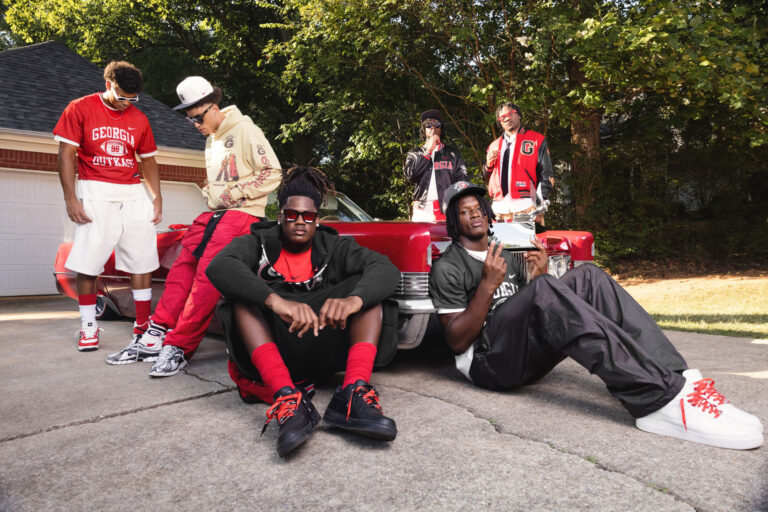

I still remember scrolling Karmaloop at 2am looking for the one hoodie nobody else in my school would have. That was the whole point. Not the logo. Not the resale price. The hunt for something that said something about you before you even opened your mouth.
Somewhere between then and now, streetwear stopped being about that hunt. It became about the receipt.
The $800 Jeans Problem For Streetwear
Walk into a Bape store in SoHo today and you’ll find jeans running close to $800. Not because the denim is special. Not because the construction is next level. Because the store exists for one purpose now: to let people front. A brand that used to mean something to the culture, to the people who understood its history and its place in the lineage of streetwear, has been flattened into a price tag you flash on the train.
That’s not an isolated take. It’s a pattern people who actually grew up on this stuff keep pointing out. The pricing at flagship stores in the US doesn’t even match what you’d pay at the source in Japan, and longtime fans who’ve been buying since before it was cool are the first ones calling it a disgrace.
Logos Replaced Style
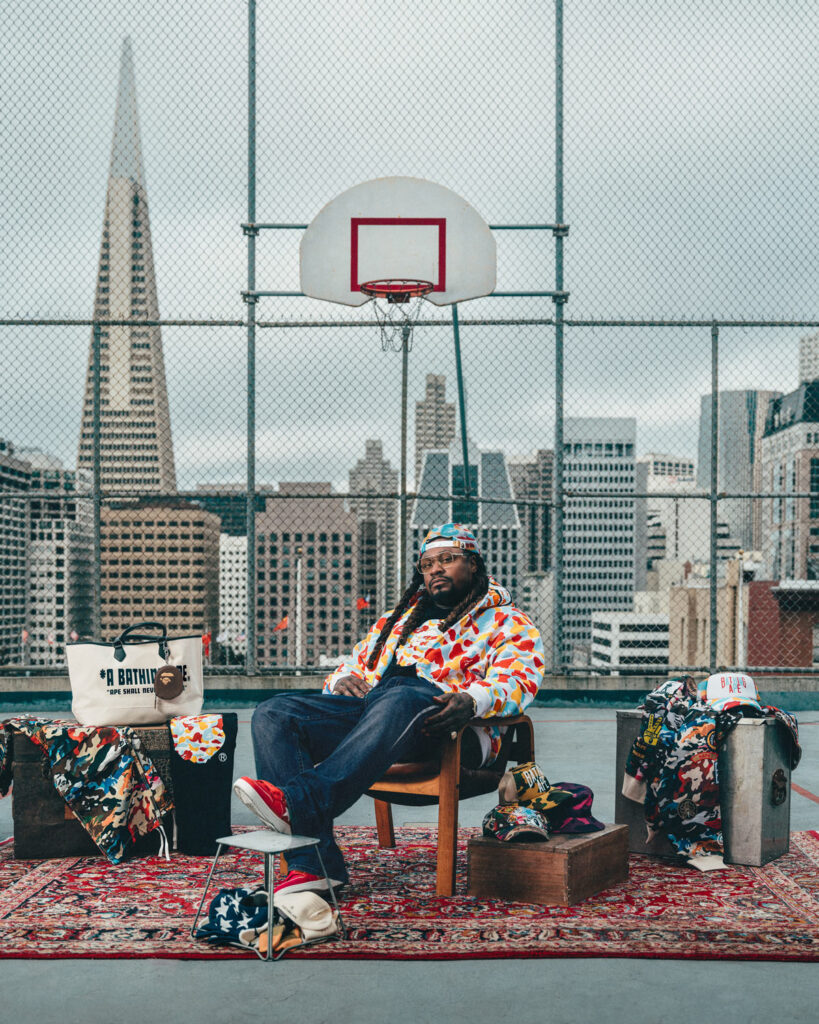
Here’s the thing that gets lost in the hypebeast conversation. It was never really about the brand name. It was about how you wore it. Fashion used to reward the person who took a weird piece and made it look inevitable on their body. Now it rewards the person with the biggest credit line.
There’s a real argument going around that seeing someone in Supreme used to actually tell you something about who they were, what they were into, what scene they ran with. It was a cultural signifier. Now it just tells you they have Wi-Fi and a card on file. The logo did all the talking and the person wearing it didn’t have to say anything at all. That’s the opposite of what streetwear was built to do.
Remember When Kanye Was the Weirdo?
This is the part that actually gets me. There was a stretch of time when Kanye West showing up in a kilt or leather jogger pants got him roasted online for a week straight. I know because I wrote those blogs. He looked like he didn’t belong. He wasn’t streetwear but that’s actually what streetwear is. That was the appeal. Fashion moved forward because someone was willing to look wrong in public before everyone else caught up.
Now the “weird” fit is manufactured. It’s a collab drop engineered by a marketing team, sold out in four minutes, and flipped on resale by someone who’s never worn it once. The risk got engineered out of the equation. And when you remove the risk, you remove the reason any of this mattered in the first place.
The Karmaloop Energy Is Gone (But It Doesn’t Have To Stay Gone)
Karmaloop worked because it put you next to brands that hadn’t been discovered yet. You could find something on the come-up before your friends did. That feeling, being early, being the one who knew, is basically extinct in mainstream streetwear now. Everything trends the same day it drops because everyone’s looking at the same six accounts.
But the good news is that energy isn’t actually dead. It just moved. Smaller labels run by designers with an actual point of view are still out there, you just have to look past the brands everyone already agrees on. The people still doing it right aren’t chasing hype cycles, they’re building something that’ll still make sense on your body five or ten years from now. That’s the real flex. Not the drop date. The staying power.
What Getting Back What Streetwear Actually Looks Like
Nobody’s saying burn your Bape hoodie or boycott every brand with a following. That’s not the point and it never was. The point is remembering what made this stuff fun before it got financialized.
A few ways to actually live that out:
- Buy pieces because you’d wear them even if nobody clocked the logo
- Give a real look to smaller and independent labels before defaulting to whatever’s trending on your feed
- Build a fit instead of collecting a hype list, styling still separates people way more than spend does
- Thrift, flip through vintage, dig for the piece nobody else has instead of the piece everybody already wants
Streetwear started as a way for people outside the fashion establishment to build their own language. It wasn’t supposed to be about who could afford the most. It was about who had the most to say. That version of the culture isn’t gone. It’s just waiting for people to stop performing wealth long enough to remember it.